Do Most People Regret Getting Dentures? What Flower Mound Patients Should Know
Regret usually comes from a few fixable things, like a loose fit or skipped checkups, more than from the dentures themselves.
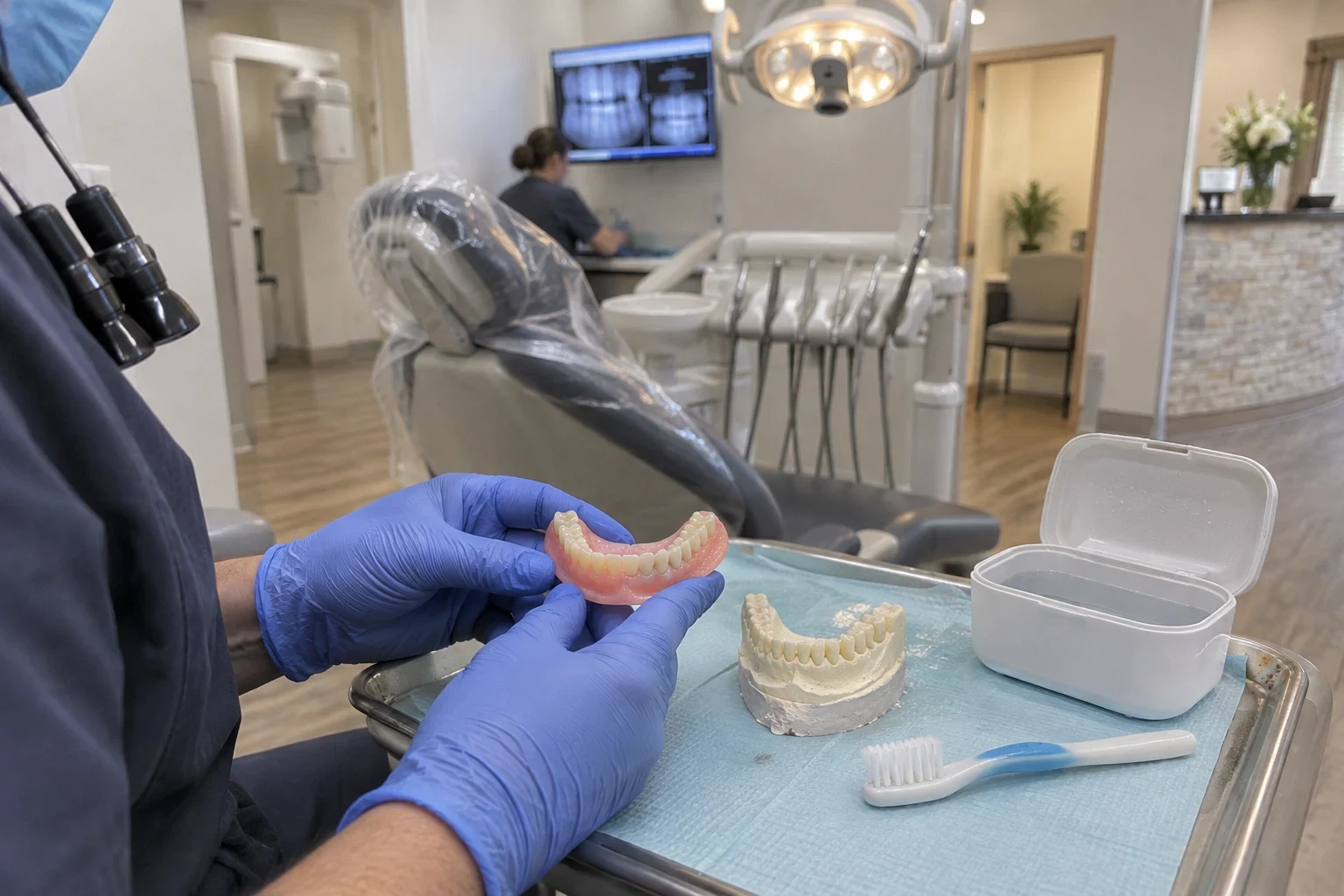
Do most people regret getting dentures?
No, most people do not regret getting dentures, especially when the old teeth were painful, broken or failing. The people who do usually point to a loose fit, sore spots or trouble chewing. Those problems tend to grow when dentures go years without a check or reline. Good upkeep prevents most of them. Have your fit checked at (972) 914-6408.
Why some people regret their dentures
When we hear regret from a patient, it is rarely about the look of the new smile. It is about how the dentures feel and work day to day. Most of the time the cause is something that changed slowly and nobody caught it.
After teeth come out, the jawbone under the gums slowly shrinks. Dentures that fit well on day one can feel loose a few years later. A loose denture rubs, slips when you talk and makes chewing harder. That is the most common reason people say they wish they had done something different.
- A fit that loosens as the jaw changes
- Sore spots from pressure points that were never adjusted
- Trouble with tough or chewy foods
- Expecting dentures to feel exactly like natural teeth
- Not knowing implant-supported options existed
What the first few weeks really feel like
The first weeks are the hardest part, and that is normal. Your mouth has to learn a new shape. Saliva may increase for a while, some words sound a little off, and your cheeks and tongue have to learn to hold the denture in place.
Most patients settle in within a few weeks. Start with soft foods cut into small pieces, and chew on both sides at once to keep the denture steady. Read out loud for a few minutes a day to get your speech back faster.
If a spot is sore, do not push through it for weeks. Come in so we can adjust it. A small change to the base can take care of a pressure point in one short visit.
How upkeep keeps dentures fitting longer
This is where most regret can be avoided. Dentures are not a one-time purchase you forget about. They sit on gums and bone that keep changing, so they need regular checks to keep fitting the way they should.
A reline adds new material to the inside of the denture so it matches the current shape of your gums. It can bring back a snug fit without making a whole new set. Over time the teeth on the denture also wear down, which changes your bite. Catching that early protects your jaw joints and keeps chewing comfortable.
Daily care matters too. Plain habits keep the base clean, stop stains and odor, and help the denture last.
- Brush the denture every day with a soft brush and a non-abrasive cleaner, not regular toothpaste
- Take it out at night so your gums can rest, unless we tell you otherwise
- Store it in water or a soaking solution so it does not dry out and warp
- Never use hot water, which can bend the base
- Come in once a year so we can check fit, gums and bite
When implant-supported dentures make more sense
Some people try a traditional denture and still find it too loose, often on the lower jaw. For them, dental implants can change the experience. A small number of implants placed in the jaw give the denture something solid to snap onto.
Implants also put pressure on the bone the way tooth roots did, which helps slow the bone loss that loosens regular dentures. That means fewer refits over the years. The tradeoff is surgery, healing time and a higher cost, so it is not the right choice for everyone.
If you already wear dentures and wish they held better, ask about it. Many patients can add implants later and keep using a denture that is modified to attach to them.
Questions to ask before you decide
Going in with clear expectations is the best way to avoid regret. Ask your dentist to walk you through the full treatment plan, including what happens after the dentures are made, not just the day they go in.
If some of your teeth are still healthy, ask whether saving them makes sense. A root canal or a partial denture can sometimes keep natural teeth in place longer, which helps hold the jawbone too.
- Which teeth really need to come out, and which can be saved
- Full denture, partial denture or implant-supported denture, and why
- How many adjustment visits come after the dentures go in
- When a reline or replacement is likely to be needed
- How insurance or financing applies to each option
More questions about living with dentures
Something not covered here? (972) 914-6408
How long do dentures usually last?
It depends on how they are cared for and how much your jaw changes. With daily cleaning, yearly checks and relines when needed, a set lasts much longer than one that is ignored until it breaks.
Can I sleep in my dentures?
Most patients should take them out at night so the gums get a rest and stay healthy. We may ask you to wear them the first night after extractions to help with healing.
Do you help patients who do not have dental insurance?
Yes. We offer an in-house membership plan for uninsured patients, and we are in-network with 15+ major PPO dental insurance plans. We also offer 0% interest financing for up to 24 months, and checking for preapproval has no credit score impact.
Is it too late to fix dentures that already feel loose?
Usually not. A reline, a new set or adding implants can often bring back a steady fit, and an exam will show which one makes sense for your mouth.
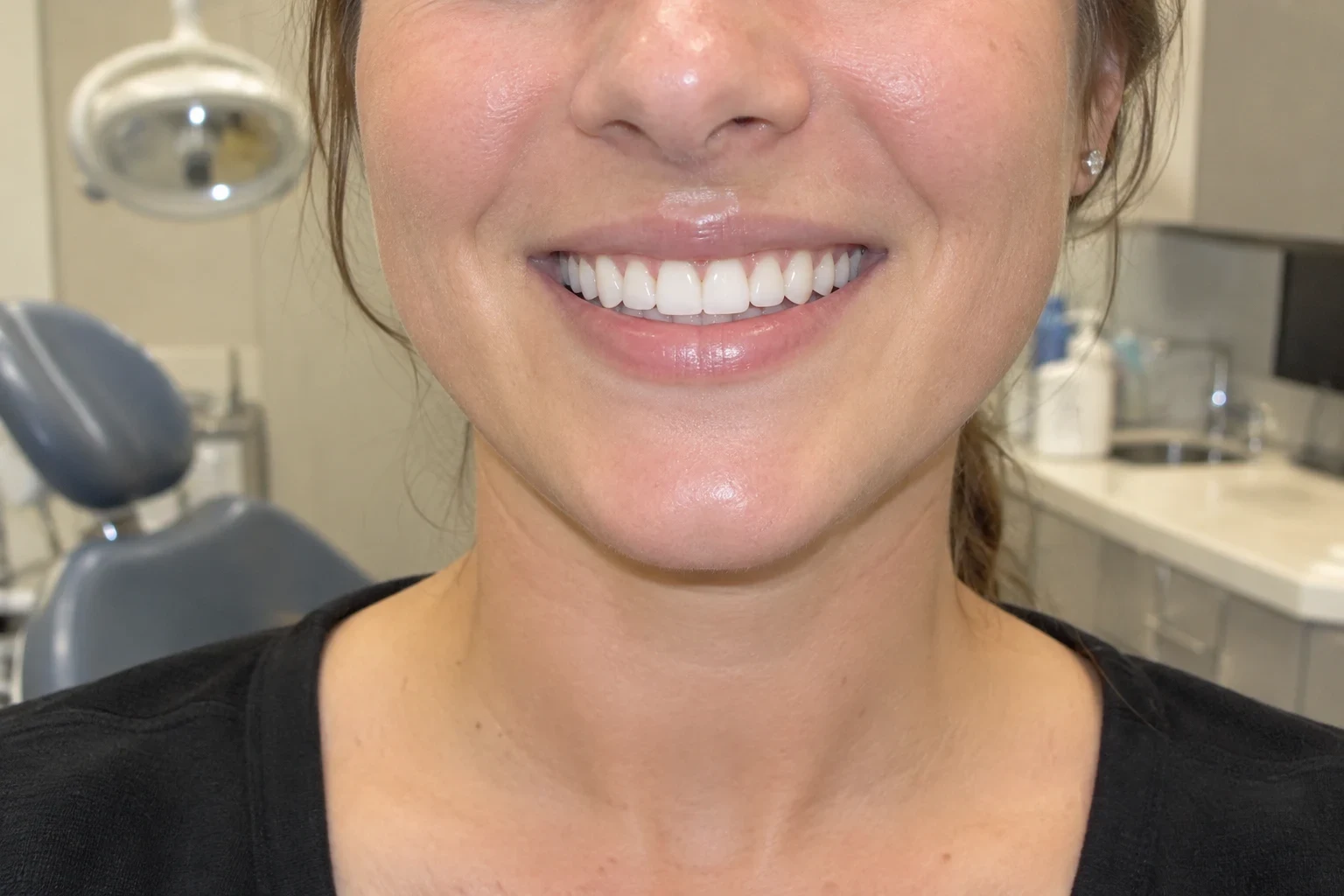
Talk through your denture options
One phone call sets up your appointment. We will look at your teeth, gums and bite, explain what dentures or implants would mean for you, and lay out a treatment plan with the upkeep it needs so there are no surprises later.