ServicesDental Implants
Dental Implants in Flower Mound
An implant puts back a missing tooth, root and all. We plan each one from a CBCT scan of your jaw, set the post while you stay numb and comfortable, and see you for cleanings long after the crown is on. You get a written treatment plan and the full cost before we start.
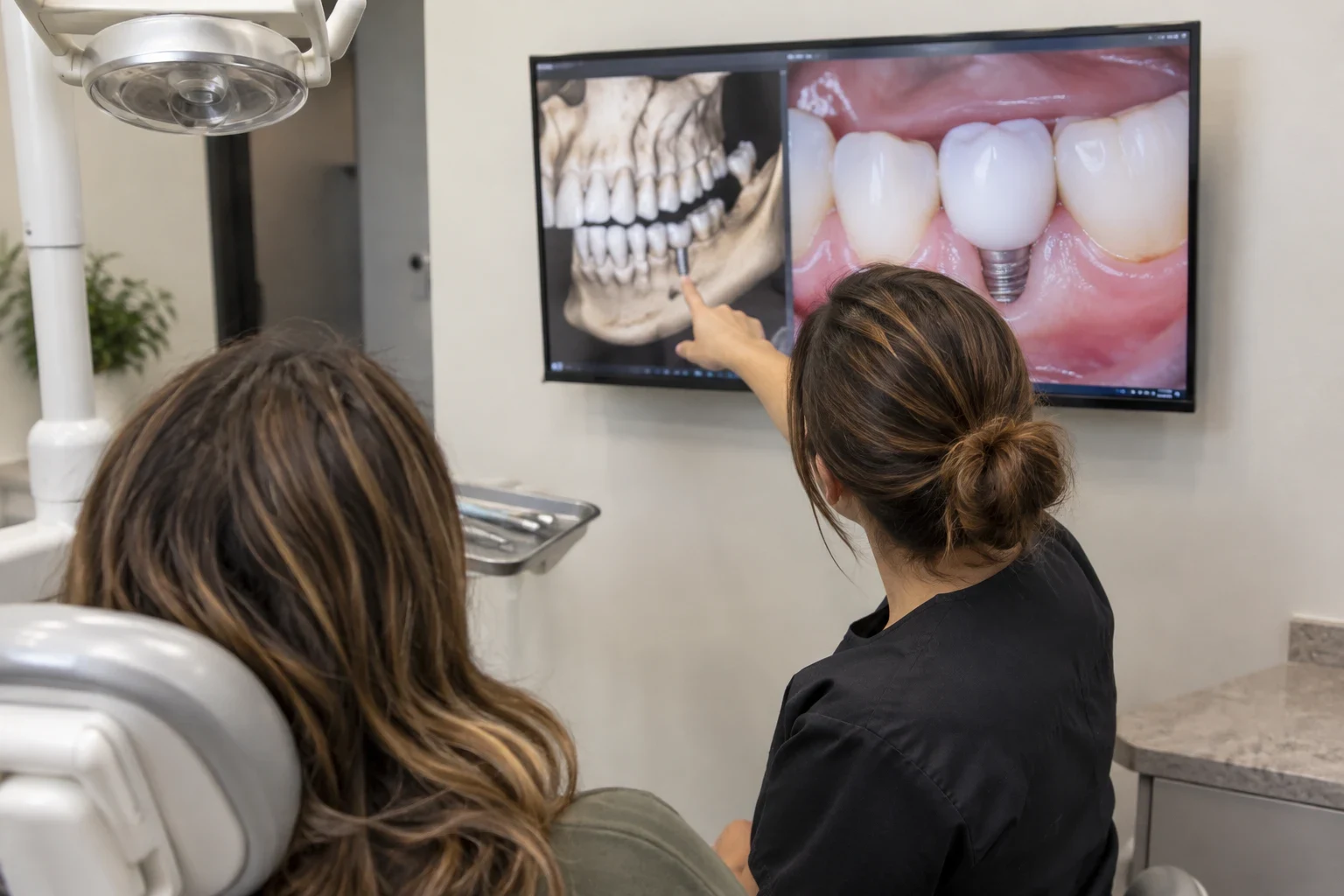
Who an implant is for and how it works
A dental implant replaces the root of a lost tooth with a small titanium post set in the jaw. Over a few months, bone grows in around it and holds it firm. Then we attach a crown that looks like your other teeth and chews like them too. One post carries one crown, and a few posts together can support a bridge or a full set of teeth.
It is usually a good fit when a tooth is already gone, or when a crack or decay has gone too far to fix. A bridge leans on the teeth beside the gap. An implant does not, so those teeth stay untouched. It also sends chewing force back into the jaw, which helps slow the bone loss that follows a missing tooth.
You will be living with an implant for a long time, so we plan it with that in mind. We shape it to be easy to clean, and we keep seeing you after the crown is on. For patients in Highland Village, Lewisville or Argyle, those checkups are a short drive.
What your implant care includes
3D scan before anything else
We take digital X-rays and a CBCT scan if needed. The scan shows bone height, width and where the nerves and sinus sit. That tells us if an implant fits and exactly where it should go.
A written treatment plan
You get each step on paper, in order, with the cost of each one. If you need an extraction or bone graft first, it is listed there, not added later.
Placement with local numbing
We numb the area well and check in with you through the visit. Most patients say it felt like pressure more than pain.
Crown matched to your smile
Once the bone has healed around the post, we fit a crown shaped and shaded to match your other teeth. We check your bite so the implant does not take more force than it should.
Upkeep after the crown goes on
Implants can still get gum infections. We clean around them with tools that will not scratch the surface, check the gums, and take X-rays now and then to watch the bone level.
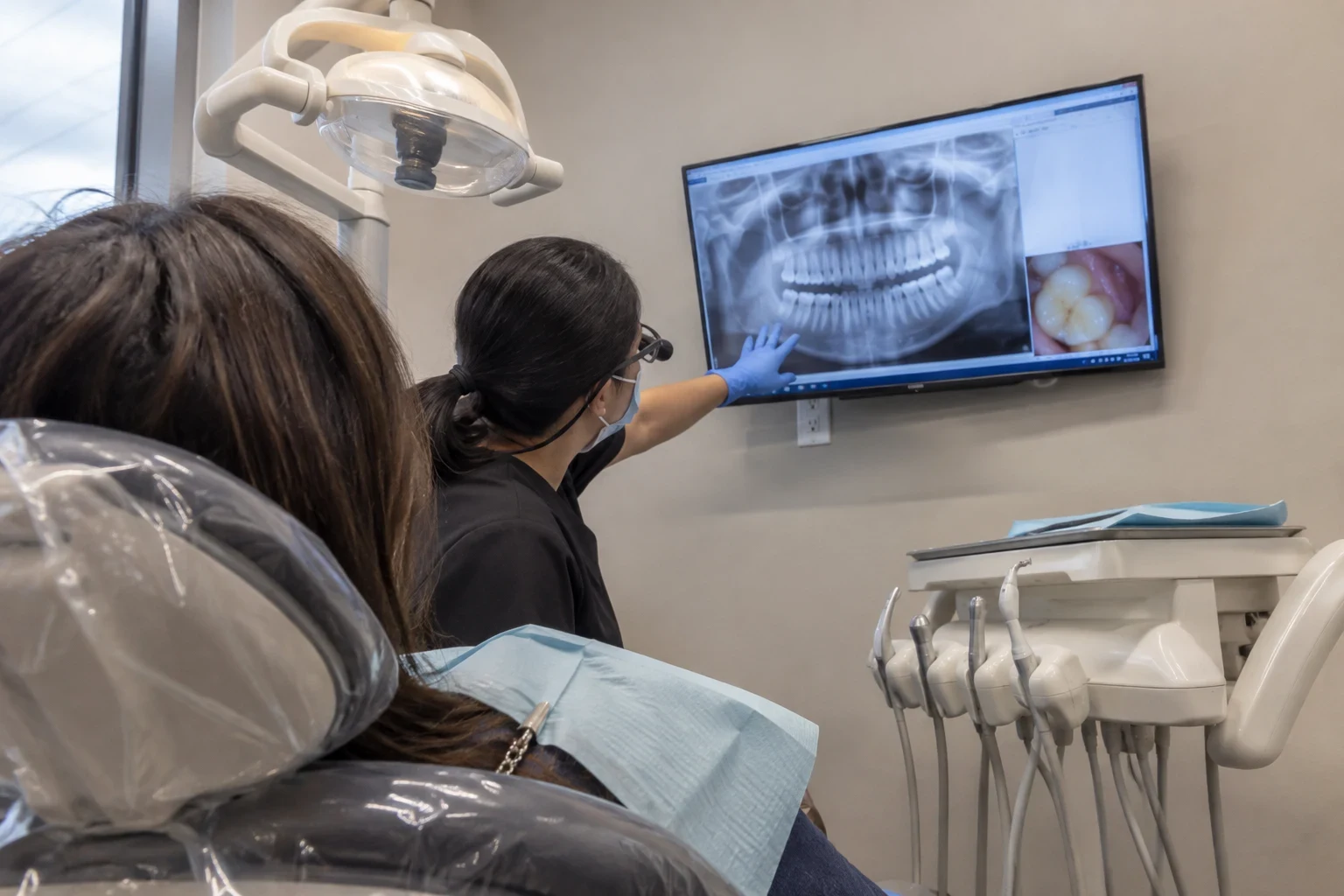
When an implant is worth a look
- Eating on one side only
- Favoring one side to avoid a gap wears those teeth down faster. Putting a tooth back in the gap evens out the load.
- Teeth shifting toward a gap
- The teeth next to an empty space slowly tip and move into it. The sooner it is addressed, the simpler the fix tends to be.
- A tooth past saving
- A crack that runs below the gumline, or decay that has reached too deep, often means the tooth has to come out. Planning the implant alongside the extraction cuts out extra visits.
- A partial or bridge that hurts or wobbles
- Partials can rub the gums, and bridges give out when the teeth holding them weaken. An implant gives the replacement tooth a root of its own.
- A denture that moves around
- A few implants can lock a lower denture in place so it stays put while you eat and talk. Our Dentures page explains that option in more detail.
How the implant process goes
- 1
Evaluation and scan
We do the exam, X-rays and CBCT scan, then sit down and go over what we found. You leave knowing your options and the cost of each.
- 2
Getting the site ready
Some patients need a tooth removed or a bone graft first. If so, we let that heal before the implant goes in.
- 3
Placing the implant
After numbing, we set the post in the bone and close the gum. Most people are back at work the next day and eat soft foods for a short while.
- 4
Healing time
The bone needs a few months to bond with the implant. You may wear a temporary tooth during this time so there is no visible gap.
- 5
Crown and checkups
We attach the final crown and check the bite. Then you come back for regular cleanings so the gums and bone around it stay healthy.
What changes the price of an implant
No two mouths are the same, so we set your price after we see the scan. Your written plan lists each step as its own line item, and nothing gets tacked on later. You can spread the cost out with 0% interest financing for up to 24 months, and the preapproval check has no impact on your credit score.
- Number of teeth replaced
- A single post with one crown is the smaller job. Several posts carrying a bridge or a full arch take more parts and more chair time.
- Bone and gum health
- Bone often thins after a tooth is lost. If there is not enough left to hold a post, a graft comes first, which adds a step and some healing.
- Treatment before placement
- Taking out a failing tooth or getting gum disease under control first is counted in your total.
- Your coverage
- Our office is in-network with 15+ major PPO dental insurance plans, and our staff looks up your benefits so you know what your plan pays. Uninsured patients can join our in-House Membership Plan instead.
Common questions about dental implants
- Will the implant procedure be painful?
- The area is fully numbed before we begin. What most patients notice is pressure and some vibration, not sharp pain. Expect a few sore days afterward, which over-the-counter pain relievers usually take care of.
- How many months from start to finish?
- Plan on a few months between placing the post and getting the final crown, because the bone has to heal around it. An extraction or graft beforehand adds time. Your treatment plan lays out a realistic schedule so you know what to expect.
- How many years can an implant last?
- The post can hold up for many years as long as the gum and bone around it stay healthy. The crown takes the daily chewing and may need to be replaced at some point. Daily brushing, flossing and regular cleanings do the most to keep it going.
- Is infection around an implant possible?
- It is. The gum tissue around an implant can get inflamed, much like gum disease around a natural tooth. We look at your implant at every cleaning so small problems get handled before they grow.
- Is it too late for me, or am I too old?
- Age alone is seldom the problem. Your bone and your general health matter more. Even when a tooth has been missing for years, the scan shows what can be done, and a graft can often rebuild bone that was lost.
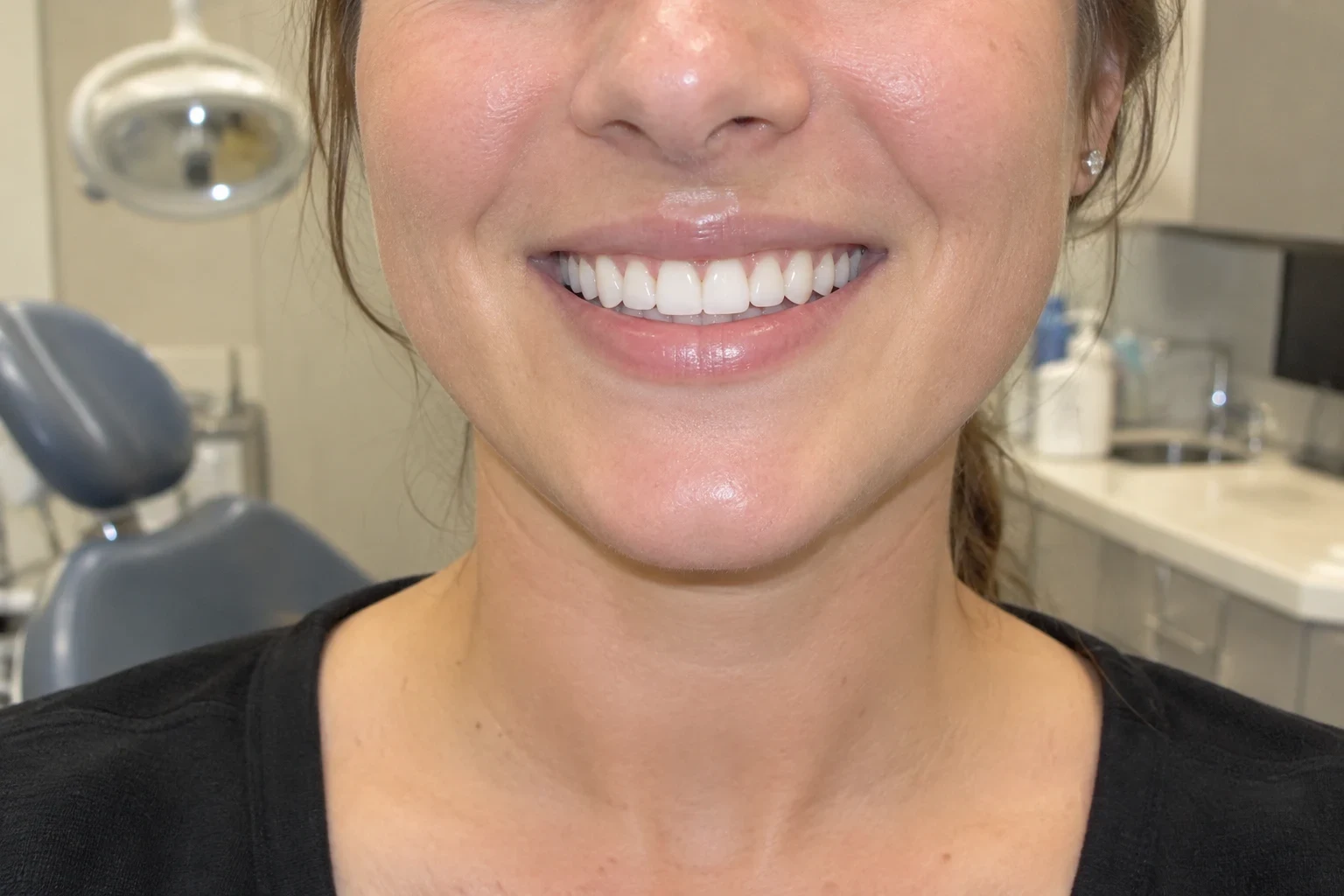
Start with a clear look at your options
New patients get a full exam and cleaning with our $89 new patient special. If you mainly want to talk about an implant, the $25 focused evaluation covers the exam, X-rays, a CBCT scan if needed and a treatment plan.