ServicesExtractions
Tooth Extractions in Flower Mound
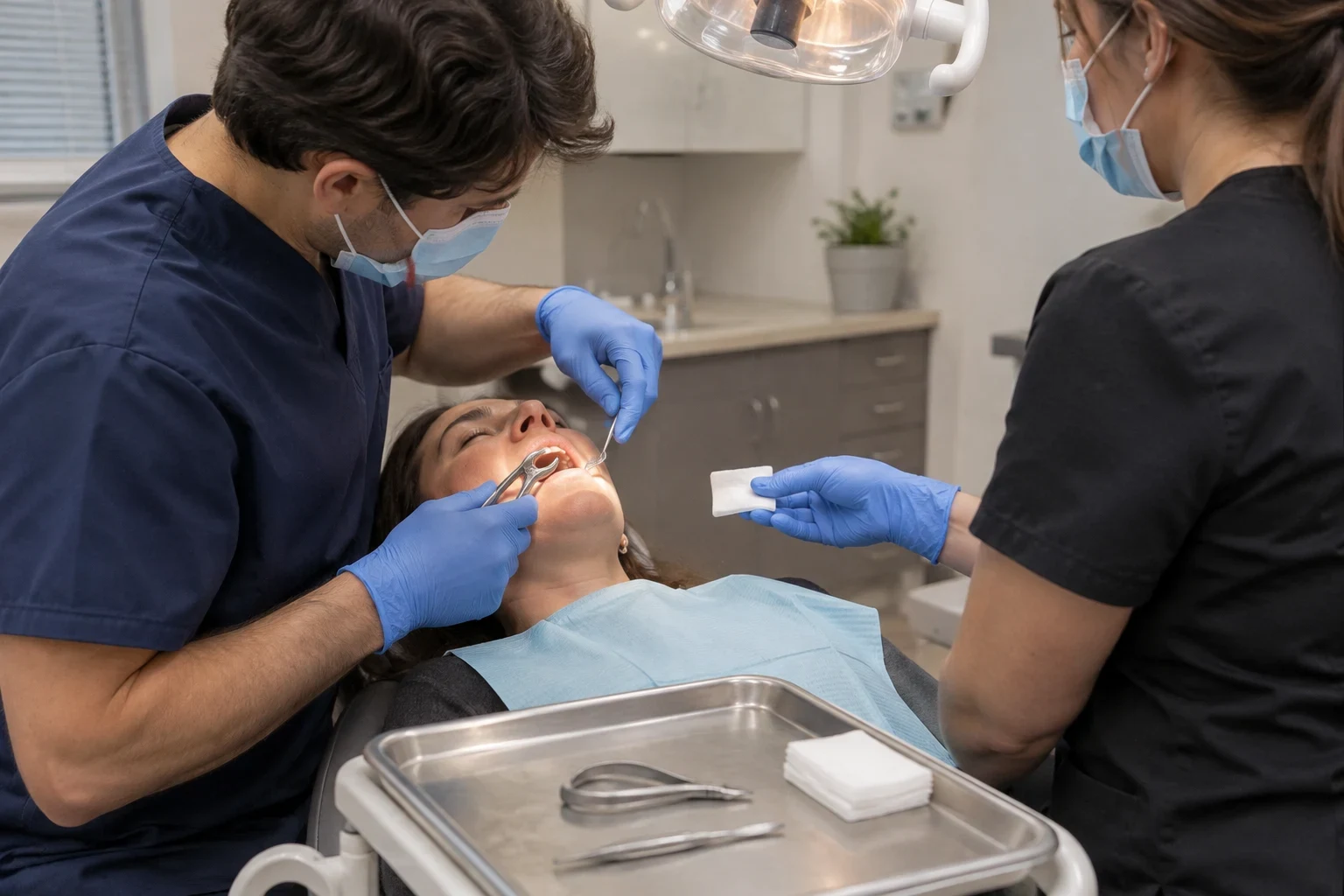
Some teeth can't be saved. When that's the case, we take the tooth out gently, keep you comfortable, and talk through what comes next. A gap left alone can shift your bite, so we plan for the space before you leave the chair.
When Pulling a Tooth Is the Right Call
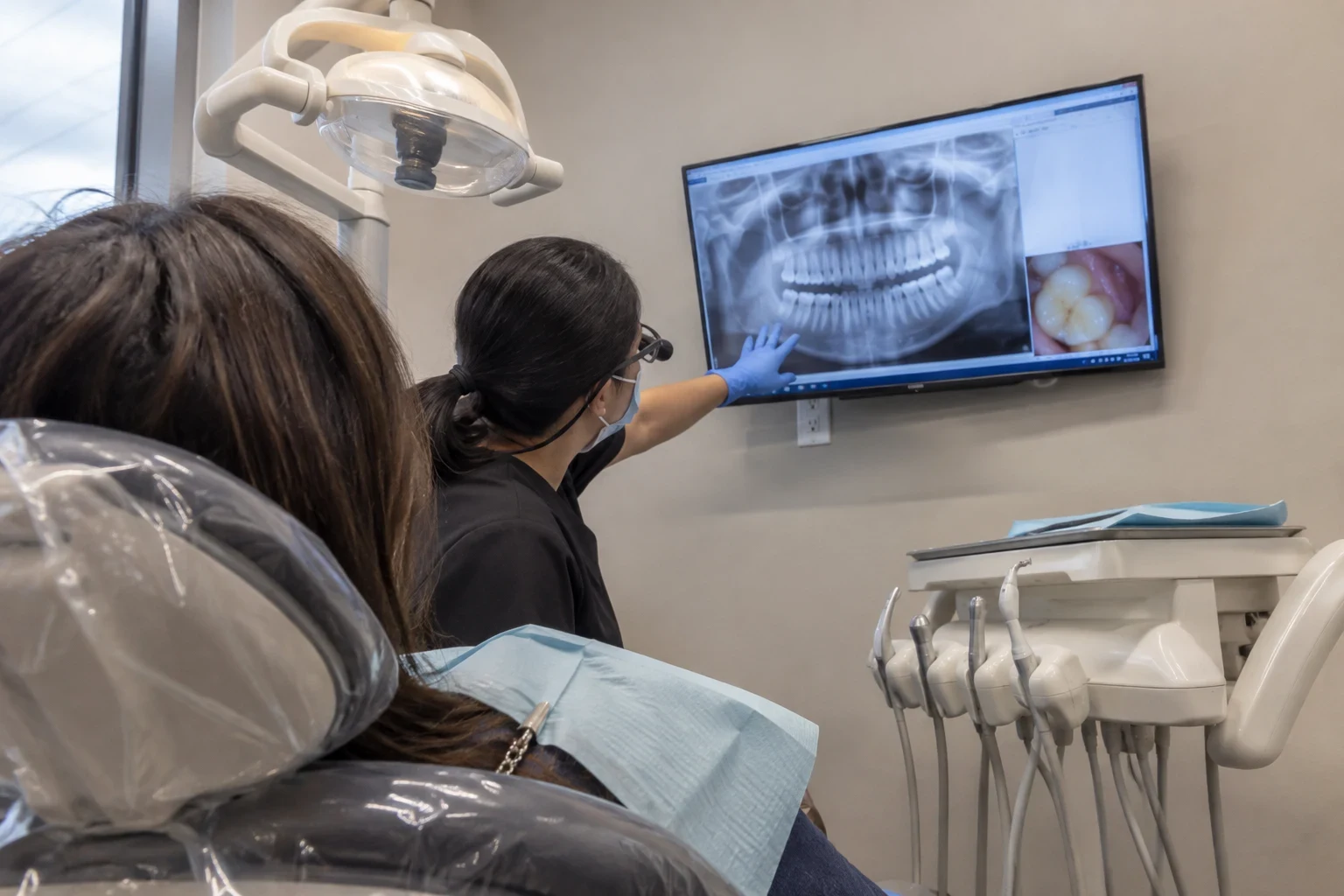
We try to keep your natural teeth as long as we can. A filling, a crown or a root canal often saves a tooth that looks bad at first. We'll tell you plainly if that's an option, and we'll show you the X-ray so you can see why.
Sometimes the tooth is cracked below the gum line, or decay or gum disease has gone too far. Then removing it protects the teeth around it. Leaving a failing tooth in place can spread infection and wear down bone you'll want later.
An extraction is also the first step toward what lasts. Pulling a tooth well, and caring for the socket as it heals, keeps the area ready for dental implants, a bridge or dentures down the road.
What Happens at Your Extraction Visit
- A full look first
- We check the tooth with digital X-rays to see the roots and the bone holding them. If nerves or the sinus sit close by, a CBCT scan gives us a 3D picture.
- Thorough numbing
- The area is fully numb before we begin. Pressure is normal, sharp pain is not. Raise a hand and we pause right away.
- The right removal method
- Most teeth lift out whole. A broken tooth or one with curved roots may need a small opening in the gum or removal in sections, which is easier on the surrounding bone.
- Caring for the socket
- We clean the spot, place gauze and add stitches when needed. If an implant is likely later, bone graft material can go in to keep the area from collapsing.
- Aftercare in writing
- You leave with simple instructions for eating, rinsing and managing soreness. Phone the office with any questions and we will walk you through them.
When a Tooth Might Have to Be Removed
A split into the root
Once a fracture reaches the root, a crown usually has nothing to hold. You may feel pain on one spot when chewing, or notice part of the tooth shifting.
Gum swelling or a small bump
A pimple on the gum or a puffy jaw often points to infection. A root canal can clear some cases. Others mean the tooth needs to come out.
Looseness when you bite
Advanced gum disease breaks down the bone around a tooth. When too little support remains, the tooth moves under pressure and cannot be stabilized again.
Heavy decay
If decay has destroyed most of the tooth above the gum, there is no sound base left to restore.
Making room for other treatment
Occasionally we take out a tooth so dentures fit properly or so the rest of your bite lines up.
How the Visit Goes
- 1
Look and explain
We examine the tooth and take X-rays. Then we tell you what we see, what your options are and what each one costs, before any work starts.
- 2
Numb and wait
We numb the tooth and give it time to take full effect. We check that you're comfortable before we begin.
- 3
Remove the tooth
We loosen the tooth gently and lift it out. A simple extraction often takes just a few minutes once you're numb.
- 4
Protect the socket
We control bleeding, place gauze and add stitches or graft material if needed. A good blood clot is what lets the area heal well.
- 5
Plan the gap
Before you leave, we talk about replacing the tooth and set a check-up if you need one. Many patients come back in a week or two to make sure healing is on track.
Why Extraction Prices Differ
Before any work begins, we hand you a written price with each part listed on its own line. Many PPO plans cover a share of an extraction, and we are in-network with 15+ major PPO dental insurance plans. Patients without insurance can look at our in-house membership plan. We also offer 0% interest financing for up to 24 months, with no credit score impact to check for preapproval.
- Whole tooth or surgical
- A tooth that lifts out in one piece costs less. A broken tooth, a tooth with curved roots or one still under the gum takes more time and skill.
- Type of imaging
- Regular X-rays are enough for most teeth. When we need a clear 3D look at nerves and bone, a CBCT scan adds to the cost.
- Graft material
- Filling the socket with bone graft raises the price. It also keeps the spot in good shape if an implant is in your plans.
- Number of teeth
- Taking out more than one tooth in a single visit usually costs less overall than coming back several times.
Common Questions About Having a Tooth Pulled
Something not covered here? (972) 914-6408
Is having a tooth pulled painful?
We numb the area first, so most patients feel pushing and pressure, not pain. Expect some soreness for a few days after. Store-bought pain relievers are enough for many people, and we will tell you which ones suit your health history.
How long until it's healed?
Gum tissue normally closes over the spot within one to two weeks. The bone below takes a few months to fill in and get solid. If an implant is the goal, we schedule it around that timeline.
What is dry socket, and how do I avoid it?
The open socket fills with a blood clot that protects the bone while it heals. When that clot gets knocked loose too soon, the bone is exposed and a deep ache can set in, sometimes reaching up toward the ear. Skip straws, smoking and forceful spitting for the first few days. Only rinse as your aftercare instructions describe.
Does the missing tooth need to be replaced?
Not in every case. A gap far in the back may not change how you bite. Still, open spaces often let nearby teeth tip over and the jawbone shrink, so we go over dental implants, bridges and dentures with you and you choose.
Could the tooth be saved instead?
Many times it can. When a root canal and crown will keep a tooth working for years, we tell you that. We suggest pulling a tooth only when keeping it would do more harm than good.
What should I eat afterward?
For a day or two, stay with soft, cool foods such as yogurt, scrambled eggs and lukewarm soup. Chew on the opposite side. Most patients are eating normally again within about a week.
Get a Straight Answer About That Tooth
Bring us the tooth that's bothering you. We'll take X-rays, tell you if it can be saved, and lay out what each option costs.